Dandelion - Taraxacum officinale


The medicinal properties of dandelion were mentioned in writings dating back to the year 1,000 CE. Arab physicians and Native American tribes used it in various preparations to treat their patients.
During the 19th century, dandelion cultivation became popular in France. This cultivation began in 1857 in Montmagny. It gradually spread throughout the world in various varieties. Many official pharmacopoeias recognize the medicinal properties of this plant: in Germany, the Czech Republic, Austria, India, the United States, and Great Britain.
This plant, native to Western Europe, is the subject of several legends. In
Greek mythology, Apollo’s chariot kicked up a great deal of dust as it passed by. Once this dust settled on the ground, it is said to have transformed into a plant—the dandelion.
It is also said that blowing on the dandelion’s fluff made wishes come true. This practice is similar to that associated with shooting stars. Likewise, this plant is a symbol of knowledge. The Larousse dictionary’s logo features a woman blowing on dandelion fluff. The painter Eugène Grasset created this image.
The common dandelion, or Taraxacum officinale, is the species best known for its properties in herbal medicine. The term “Taraxacum” comes from the Greek word “taraxis,” which means “eye disorders,” referring to the dandelion’s medicinal properties.
This plant is also called “dent de lion” or “dandelion.” These names derive from the serrated shape of the dandelion’s leaves. It has other names as well, such as cramaillot, cramias, baraban, “mole salad,” “golden florion,” or “monk’s crown.”
Dandelion leaves are used to treat loss of appetite. They stimulate saliva production. They also relieve nausea and bloating, which can dampen the desire to eat. Thanks to the plant’s high dietary fiber content, consuming it aids in digestion. Additionally, it helps combat constipation.
Dandelion is rich in antioxidants and other nutrients that protect the body. It thus strengthens the immune system and helps prevent infections and diseases. It is effective in protecting against cardiovascular disease and cancer. Its active compounds help combat cellular aging.
The juice from this plant helps detoxify the liver and blood. It acts as a cleanser for the body. Similarly, due to its cholagogue properties, dandelion stimulates bile production and has liver-protective properties.
Dandelion helps regulate blood sugar levels. It reduces the risk of developing diabetes. In addition, the body receives all the nutrients it needs to function properly.
Dandelion is also known for its anti-inflammatory properties. It relieves muscle and joint pain caused by osteoarthritis or rheumatism. Furthermore, it is a great aid for relaxing muscles after a good workout.
The plant’s diuretic properties promote urine production and help combat water retention. This process eliminates all waste from the body, making dandelion an ideal dietary supplement for a healthy weight-loss regimen.
Dandelion is also used topically to treat skin problems and restore the skin’s natural radiance. Skin conditions such as eczema and acne can be relieved with a poultice made from the plant’s leaves or roots.
Caution should be exercised with the white latex of the dandelion, which is not intended for consumption. In 1927, it caused the deaths of two children who accidentally ingested its sap. Furthermore, the plant can become toxic when contaminated by liver fluke. This is an infection caused by a parasitic flatworm that infects the livers of ruminants and, occasionally, humans. However, heat eliminates the toxins.
Whether raw or cooked, dandelions can be enjoyed in a variety of ways.
Salad
A salad made with dandelion leaves or young shoots is a popular dish. No cooking is required, as they are eaten raw. To add texture, you can include other vegetables such as onions or tomatoes. The flower buds can also be eaten this way.
Soup
Dandelion soup is made with the leaves or roots. They are boiled until the soup reaches a smooth, creamy consistency. Other vegetables can be added to the mixture to reduce bitterness and enhance the dish’s flavors.
Wine, Syrup, and Juice
The yellow parts of the flower head are used to make wine or syrup. They are macerated and fermented to produce an alcoholic liqueur. Recipes and processing times vary by region and personal preference. However, commercially produced, ready-made products are available on the market.
Dandelion juice is made using fresh leaves and roots. You can use a blender or a juicer, depending on your preferred texture. Once the mixture has been strained, it is enjoyed as an aperitif or with a meal.
Herbal Tea and Decoction
Dandelion tea can be consumed daily to reap the plant’s full benefits. The leaves and roots are steeped for 10 to 15 minutes to bring out the plant’s beneficial properties.
Recipe: Dandelion jam
365 dandelion flowers
1.5 L water
2 untreated oranges
2 untreated lemons
1 kg sugar
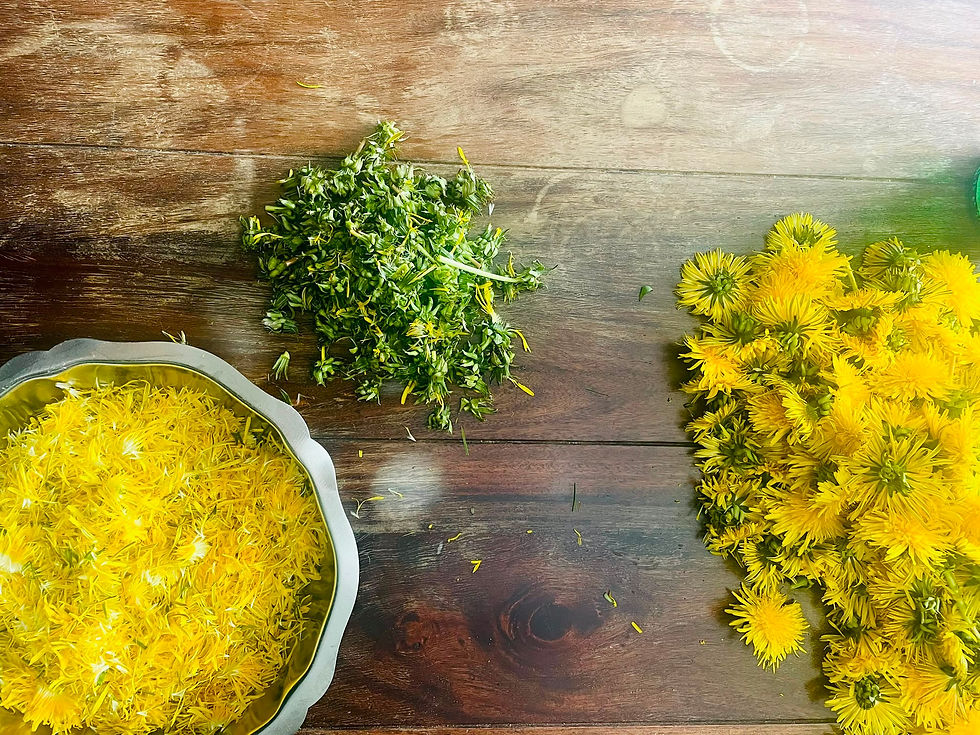
Choose dandelion flowers that are fully open. Wash them in clean water. Remove the stems and trim off the green base, keeping only the petals. Let them dry for a few hours, in the sun if possible.
Wash the citrus fruits and zest them. Then cut the oranges and lemons into rounds.
Place the flowers in a saucepan with the water, citrus slices, and zest. Simmer for 1 hour after the mixture begins to simmer.
Strain the mixture and add the sugar. Cook for an additional 45 minutes until the cramaillotte thickens to a consistency similar to honey.
Pour the mixture into glass jars that you have previously sterilized by boiling. Seal them and turn them upside down immediately to sterilize the jam. Return the cramaillotte jars to an upright position once they have cooled completely. Store them away from light.


Comments